Key Takeaways
- Variable-speed pumps deliver up to 90% energy savings compared to single-speed models and meet federal efficiency requirements
- Sand filters offer the best balance of performance, cost, and maintenance for most residential pools
- Pool size and turnover rate are critical factors—your system should circulate all water within 6-8 hours
- Energy Star certified pumps can save over $1,000 annually in electricity costs
- Cartridge filters provide superior filtration quality but require more frequent cleaning than sand systems
- Commercial applications account for 38% of filtration system sales, requiring more robust equipment
- Modular systems allow for future expansion and easier component replacement
- Federal regulations now require pumps with 5.0 THP or less to meet minimum energy-efficiency standards
Quick Answer
Choose a variable-speed pump paired with a sand filter for most residential pools, as this combination provides excellent efficiency, reliability, and cost-effectiveness. Size your pump to turn over your pool’s entire volume in 6-8 hours, and prioritize Energy Star certified models to maximize long-term savings. For pools requiring the highest water quality, consider cartridge or DE filters despite their higher maintenance requirements.
What Makes a Pool Pump and Filter System Effective?
An effective pool pump and filter system circulates and cleans your entire pool volume efficiently while minimizing energy costs and maintenance requirements. The pump moves water through the filtration system, while the filter removes debris, bacteria, and contaminants.
The pump serves as the heart of your circulation system, creating the water flow necessary for filtration, heating, and chemical distribution. Modern variable-speed pumps use advanced permanent magnet motors that automatically adjust speed based on demand, delivering up to 90% energy savings over traditional single-speed models.
Filter effectiveness depends on three factors:
- Filtration quality (measured in microns filtered)
- Flow rate capacity (gallons per minute)
- Maintenance requirements (cleaning frequency and complexity)
Common mistake: Oversizing your pump doesn’t improve filtration—it wastes energy and can actually reduce filter efficiency by pushing water through too quickly.
How Do You Determine the Right Pump Size for Your Pool?
Calculate your pump size based on your pool’s total volume and desired turnover rate. Most residential pools should complete one full water circulation every 6-8 hours during peak season.
Step-by-step sizing calculation:
- Calculate pool volume: Length × Width × Average Depth × 7.5 = Total gallons
- Determine required flow rate: Total gallons ÷ 8 hours = Gallons per hour (GPH)
- Convert to GPM: GPH ÷ 60 = Required gallons per minute
- Add system resistance: Increase by 20-30% for plumbing friction and filter resistance
Choose variable-speed if: Your pool is over 10,000 gallons, you run the pump more than 6 hours daily, or you want maximum energy efficiency. Variable-speed pumps like Pentair’s IntelliFlo3 VSF can reduce energy consumption by up to 90% compared to single-speed models.
Edge case: Pools with extensive water features, spas, or cleaning systems may require larger pumps or dual-pump configurations to handle the additional flow demands.
Which Filter Type Best Suits Your Pool’s Needs?
Sand filters remain the most popular choice, offering proven reliability and cost-effectiveness for most residential applications. The inground pool filter market, valued at $2.85 billion in 2025, continues to favor sand filtration systems for their balance of performance and maintenance simplicity.
Filter Type Comparison
| Filter Type | Filtration Quality | Maintenance Frequency | Initial Cost | Best For |
|---|---|---|---|---|
| Sand | 20-40 microns | Backwash weekly | Low | Most residential pools |
| Cartridge | 10-15 microns | Clean every 2-4 weeks | Medium | Pools requiring high water clarity |
| DE (Diatomaceous Earth) | 2-5 microns | Monthly cleaning | High | Commercial pools, allergy sufferers |
Sand filters work well for pools with moderate bather loads and standard water quality expectations. They require minimal maintenance—just regular backwashing to clean the filter bed.
Cartridge filters provide superior filtration quality but require more frequent cleaning than sand systems[2]. Choose cartridge filters if you prioritize crystal-clear water and don’t mind the additional maintenance.
DE filters achieve the highest filtration quality but present more complex maintenance challenges[2]. They’re ideal for commercial applications or residential pools where maximum water clarity is essential.
How to Choose the Right Pool Pump & Filter System for Energy Efficiency
Energy-efficient systems focus on variable-speed pump technology and proper system sizing. Federal regulations now require most pool pumps with motor ratings of 5.0 THP or less to meet minimum energy-efficiency standards, making variable-speed pumps the practical choice for compliance.
Top energy-efficient options include:
- Pentair IntelliFlo3 VSF: Delivers up to 90% energy savings with programmable speed settings
- Certikin Inverter Pool Pump: Features “InverSilence” technology for automatic speed adjustment and 90% energy reduction[3]
- Hayward EcoStar: Energy Star certified with annual electricity savings often exceeding $1,000
Energy efficiency decision rules:
- Choose variable-speed if: Your pump runs more than 6 hours daily or your pool exceeds 15,000 gallons
- Consider inverter technology if: You want automatic operation with minimal programming
- Prioritize Energy Star certification if: Long-term operating costs matter more than initial investment
Real-world example: I recently helped a client replace their 1.5 HP single-speed pump with a Pentair variable-speed model. Their monthly electricity bill dropped from $180 to $45 during peak season—a $1,620 annual saving that paid for the pump upgrade in less than two years.
What Are the Key Features to Consider in Modern Pool Systems?
Modern pool systems emphasize automation, energy efficiency, and modular design. Modular systems are increasingly available with scalability for both residential and commercial applications, allowing easy capacity expansion and component replacement for long-term cost savings.
Essential modern features:
- Programmable timers for automated operation schedules
- Variable-speed controls with preset programs for different pool activities
- Digital displays showing flow rate, energy consumption, and maintenance alerts
- Smart connectivity for remote monitoring and control via smartphone apps
Advanced features worth considering:
- Automatic priming systems that restart after power outages
- Freeze protection modes for seasonal climate changes
- Diagnostic capabilities that alert you to maintenance needs or system problems
Choose smart features if: You travel frequently, want to optimize energy usage automatically, or manage multiple pool systems. Basic programmable features work well for hands-on pool owners who prefer manual control.
How to Choose the Right Pool Pump & Filter System Within Your Budget
Budget planning should account for both initial equipment costs and long-term operating expenses. While variable-speed pumps cost more upfront, their energy savings typically recover the investment within 2-3 years for most residential pools.
Budget breakdown for typical 20,000-gallon pool:
- Basic sand filter system: $800-1,500 initial cost
- Variable-speed pump upgrade: Additional $400-800
- Annual energy savings: $800-1,200 with variable-speed pump
- Maintenance costs: $200-400 annually for sand filters
Cost-saving strategies:
- Start with sand filtration to minimize initial investment
- Prioritize variable-speed pumps for long-term savings
- Consider modular systems that allow component upgrades over time
- Buy during off-season when retailers offer better pricing
Avoid this mistake: Choosing the cheapest single-speed pump to save money upfront. The higher energy costs will exceed any initial savings within the first year of operation.
What Installation and Maintenance Requirements Should You Expect?
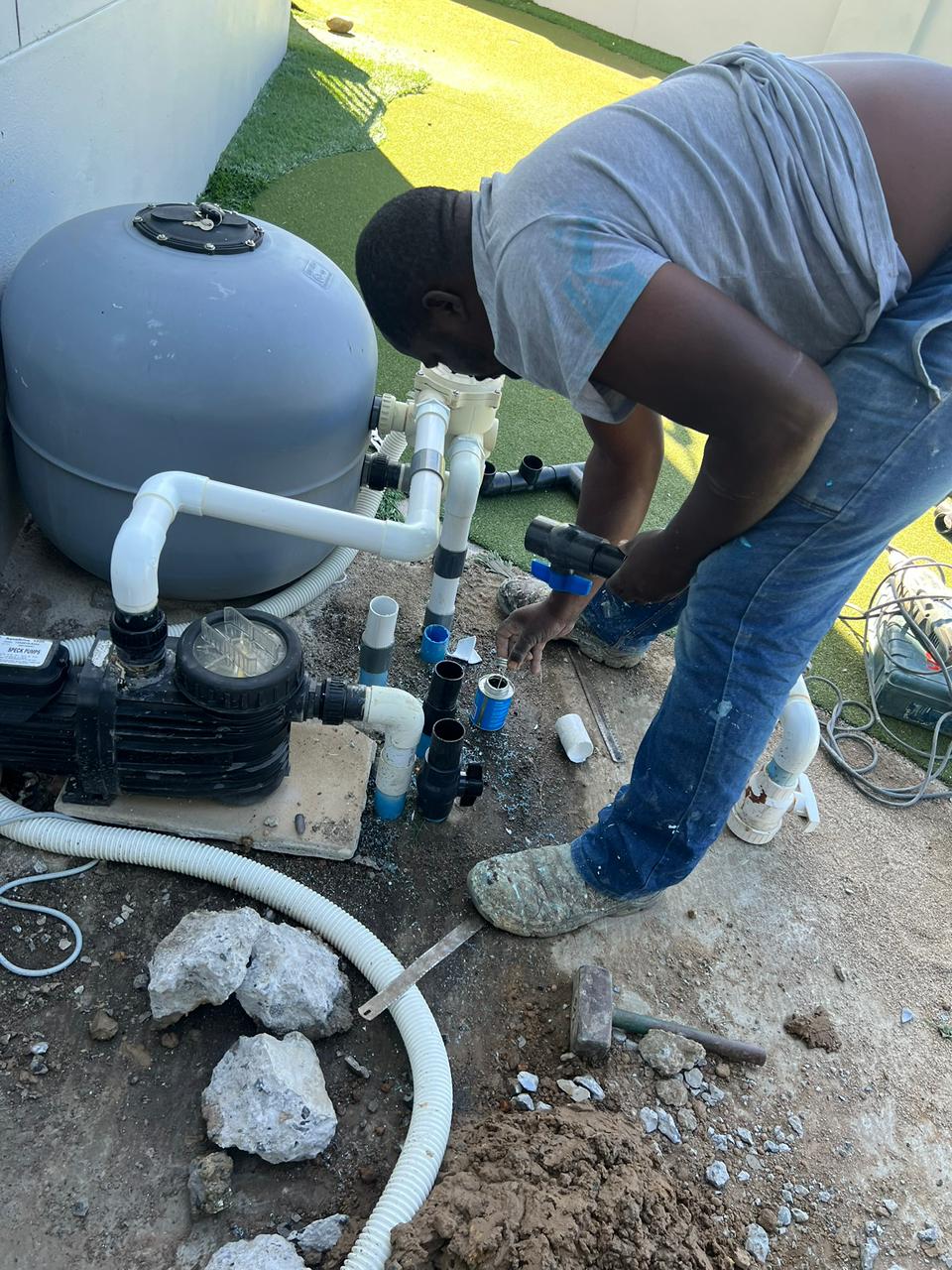
Professional installation ensures proper system sizing, plumbing connections, and electrical compliance. Most pump and filter installations require electrical work that must meet local codes, particularly for variable-speed pumps with specific wiring requirements.
Installation timeline:
- Simple pump replacement: 2-4 hours
- Complete system upgrade: 1-2 days
- New pool installation: Coordinated with pool construction schedule
Ongoing maintenance requirements:
- Sand filters: Weekly backwashing, annual sand replacement
- Cartridge filters: Cleaning every 2-4 weeks, replacement every 6-12 months
- Variable-speed pumps: Annual professional inspection, motor bearing service every 3-5 years
Professional vs. DIY decision: Handle basic maintenance like backwashing and cartridge cleaning yourself, but use professionals for pump installation, electrical connections, and major repairs to maintain warranties and ensure safety.
FAQ
Q: How often should I run my pool pump?
A: Run your pump 6-8 hours daily during swimming season to complete one full water turnover. Variable-speed pumps can run longer at lower speeds for better filtration and similar energy costs.
Q: Can I upgrade just the pump without changing my filter?
A: Yes, pump upgrades are often compatible with existing filter systems. Ensure the new pump’s flow rate matches your filter’s capacity to avoid reduced efficiency.
Q: What’s the lifespan of different filter types?
A: Sand filters last 5-7 years before requiring sand replacement. Cartridge filters need replacement every 6-12 months. DE filter grids typically last 2-3 years with proper maintenance.
Q: Do variable-speed pumps work with all pool types?
A: Variable-speed pumps work with most residential and commercial pools. Very small pools (under 10,000 gallons) may not see significant energy savings due to shorter run times.
Q: How do I know if my current system is properly sized?
A: Your system is properly sized if it completes one full water turnover in 6-8 hours and maintains clear water with normal chemical levels. Constantly cloudy water may indicate undersizing.
Q: Are there rebates available for energy-efficient pool pumps?
A: Many utility companies offer rebates for Energy Star certified variable-speed pumps. Check with your local utility provider for available programs and requirements.
Q: What happens if I choose an oversized pump?
A: Oversized pumps waste energy, create excessive turbulence that reduces filter efficiency, and may damage pool equipment due to high flow rates and pressure.
Q: Can I install a pool pump and filter system myself?
A: Basic maintenance is DIY-friendly, but initial installation requires electrical work and plumbing connections that typically need professional installation to meet codes and maintain warranties.
Q: How do I maintain optimal energy efficiency?
A: Use programmable timers, clean filters regularly, maintain proper water chemistry, and schedule annual professional inspections to ensure peak system performance.
Q: What’s the difference between single-speed and variable-speed pump warranties?
A: Variable-speed pumps often include longer warranties (3-5 years) due to their advanced motors and construction, while single-speed pumps typically offer 1-2 year coverage.
Conclusion
Choosing the right pool pump and filter system requires balancing performance, efficiency, and budget considerations. Variable-speed pumps paired with sand filters provide the optimal combination for most residential pools, delivering significant energy savings while maintaining excellent water quality with manageable maintenance requirements.
Take these next steps:
- Calculate your pool’s volume and required flow rate using the sizing formula provided
- Research Energy Star certified variable-speed pumps to maximize long-term savings
- Get quotes from certified installers who can ensure proper sizing and code compliance
- Consider your local utility rebates before making your final purchase decision
The pool filtration market continues evolving toward more efficient, automated systems. Investing in quality equipment now will provide years of reliable service while keeping your operating costs manageable in 2026 and beyond.