Key Takeaways
• Modern finishes are trending: Shimmer Sky blue increased 32% and Silver Grey rose 16% in 2025, making contemporary colors the top choice for pool renovations
• Smart automation saves money: Automatic water chemistry monitors and app-controlled systems prevent costly repairs while reducing maintenance time
• Rectangular shapes dominate 85% of homeowners now choose geometric designs over curved pools for maximum usable space[
• Tanning ledges add value: Shallow-water lounging areas provide family functionality and drove 40% growth for pools featuring this design
• Integrated spa design: Zero-edge transitions between spa and pool create seamless visual flow while maintaining separate heating systems
• Mediterranean styles are back: Classic rounded fountains and terracotta tiles are experiencing a revival for timeless appeal
• Energy-efficient heating: Smart systems learn usage patterns and integrate weather data to optimize heating schedules
Quick Answer
The best pool renovation tips for 2026 focus on modern geometric shapes, smart automation technology, and contemporary finishes like Shimmer Sky blue or Silver Grey. Successful renovations prioritize rectangular designs with tanning ledges, integrate spa features seamlessly, and incorporate smartphone-controlled systems for lighting, heating, and chemical balance to reduce maintenance while maximizing family enjoyment.
What Are the Most Popular Pool Shapes and Styles in 2026?
Rectangular fiberglass pools now account for approximately 85% of consumer selections, with homeowners shifting away from curved designs toward clean, modern lines. This dramatic shift reflects the desire for maximum usable space and compatibility with contemporary architecture.
Top-performing rectangular models include:
• The Supreme: 14% year-over-year growth for feature-rich designs
• The Pinnacle: Over 10% growth maintaining market position
• The Wave: Explosive 40% growth due to integrated tanning ledge
Choose rectangular if you want to maximize swimming space, prefer modern aesthetics, or plan to add features like tanning ledges. However, Mediterranean-style pools with rounded fountains and terracotta tiles are experiencing a comeback for homeowners seeking timeless elegance and improved microclimate through natural stone integration.
Common mistake: Assuming curved pools are outdated. Mediterranean revival styles maintain long-term property value while providing unique character that stands out from geometric trends.
Which Pool Finishes and Colors Create the Biggest Visual Impact?
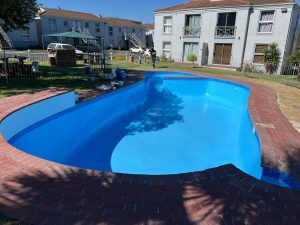
Modern grey and blue finishes are dominating 2026 renovations, with Shimmer Sky showing an extraordinary 32% increase in 2025 and Silver Grey rising 16%. These contemporary colors integrate pools seamlessly into modern landscape designs while adding sophisticated depth.
Trending finish options:
• Shimmer Sky: Reflective blue with contemporary shimmer effects
• Graphite Grey: Sophisticated architectural finish gaining popularity
• Deep ocean blues: Adding drama and sophistication
• Rainforest greens: Nuanced shades for natural integration
Tile material trends include:
• Iridescent glass mosaic finishes
• Earthy tones with textured natural materials
• Travertine and sandstone for heat resistance
• Moody blues engineered to resist fading and algae
Choose darker finishes if you want a modern, spa-like atmosphere and don’t mind slightly warmer water temperatures. Lighter finishes work better for traditional styles and cooler water appearance.
Best Pool Renovation Tips for Smart Technology Integration
Automatic water chemistry monitors, app-controlled lighting and heaters, and smart heating systems are transforming pool maintenance by preventing costly repairs and allowing remote control of temperature, lighting, and chemical balance.
Essential smart features for 2026:
• Automatic chemistry monitoring: Maintains proper pH and chlorine levels
• Smartphone lighting control: Change colors and dimming for evening swims
• Smart heating optimization: Learns usage patterns and weather integration
• Voice control compatibility: Works with existing smart home systems
Energy-efficient benefits:
Smart heating systems warm pools before typical usage times without wasting energy and integrate weather data to prevent heating before storms or cold snaps. This typically reduces heating costs by 20-30% compared to manual systems.
Implementation tip: Start with water chemistry automation first, as it provides the most immediate maintenance relief and prevents expensive equipment damage from improper chemical balance.
How to Design Seamless Pool and Spa Integration
Zero-edge spa transitions eliminate visible boundaries between spa and pool through spillover designs that cascade water into the main pool, creating visual connection and soothing sound effects. This approach maintains separate heating systems while achieving unified aesthetics.
Design elements for integration:
• Temperature separation: Spa at 102°F, pool at 82°F typical
• Material continuity: Same paver selections around both features
• Consistent tile treatments: Unified waterline appearance
• Spillover cascade: Creates sound and visual flow[3]
Space requirements: Plan for at least 8 feet between spa edge and pool for comfortable access, with consideration for equipment placement underneath.
Choose integrated design if you have adequate space and budget for dual heating systems. Separate spas work better for smaller yards or limited budgets.
What Landscape Features Complement Modern Pool Renovations?
Mediterranean-style elements like rounded fountains, terracotta tiles, and lush landscaping are experiencing a resurgence while maintaining compatibility with modern pool designs. These classic elements improve the pool’s microclimate through natural stone and strategic greenery placement.
Complementary landscape trends:
• Natural stone integration: Travertine and sandstone for heat resistance
• Strategic plant placement: Creates privacy and wind protection
• Water feature additions: Fountains and spillways for ambiance
• Outdoor lighting design: LED systems for safety and entertainment
Microclimate benefits: Natural stone stays cooler underfoot during summer heat, while strategic landscaping provides wind protection and privacy screening.
Budget consideration: Landscape integration typically adds 15-25% to renovation costs but significantly increases property value and daily enjoyment.
Best Pool Renovation Tips for Family-Friendly Features
Tanning ledges provide shallow-water lounging, safe play areas for children, and versatile family functionality, driving 40% growth for pools incorporating this design element[1]. These features transform pools from exercise-only spaces into family gathering areas.
Family-focused renovation elements:
• Tanning ledges: 6-12 inch deep areas for lounging and child safety
• Graduated depth zones: Smooth transitions from shallow to deep
• Non-slip surface treatments: Enhanced safety for wet conditions
• Integrated seating: Built-in benches and corner seating areas
Safety improvements to consider:
• Updated drain covers meeting current safety standards
• LED lighting for evening visibility
• Handrail upgrades with modern materials
• Pool alarm systems for unsupervised access prevention
Size planning: Tanning ledges work best when they comprise 15-20% of total pool surface area, providing adequate space without overwhelming the swimming area.
Pool Renovation Timeline Expectations
Renovation scope comparison:
Timeline factors that add delays:
• Permit approval (2-4 weeks in most areas)
• Weather conditions during construction
• Equipment availability for smart features
• Utility line conflicts requiring relocation
Budget planning tip: Reserve 15-20% contingency for unexpected issues like plumbing updates or structural repairs discovered during renovation.
Common Pool Renovation Mistakes to Avoid
Skipping professional inspections before starting renovations can lead to expensive surprises when structural or equipment issues are discovered mid-project. Always assess the complete system before committing to surface-level changes.
Frequent renovation pitfalls:
• Ignoring equipment age: Old pumps and heaters may fail shortly after cosmetic updates
• Inadequate electrical planning: Smart features require proper electrical capacity
• Poor drainage consideration: Surface changes can affect water flow patterns
• Mismatched material expansion: Different materials expand at different rates in heat
Permit oversights: Many areas require permits for equipment changes, electrical work, and structural modifications. Starting without proper permits can force expensive rework.
Seasonal timing mistakes: Starting major renovations in late spring means missing peak swimming season. Plan major work for fall or winter completion.
Quality control tip: Document the renovation process with photos at each stage to ensure warranty coverage and future maintenance reference.
FAQ
Q: How long does a typical pool renovation take?
A: Surface refinishing takes 1-2 weeks, while complete renovations with smart features require 6-10 weeks including permits and weather delays.
Q: What’s the most cost-effective renovation for maximum impact?
A: Modern finish updates like Shimmer Sky blue or Silver Grey provide dramatic visual improvement for $8,000-$15,000, delivering the best return on investment.
Q: Can I add smart features to an older pool?
A: Yes, most pools can accommodate smart chemistry monitors, LED lighting, and app-controlled heating with proper electrical upgrades.
Q: Do rectangular pool conversions require complete reconstruction?
A: Converting curved pools to rectangular shapes typically requires major structural work costing $25,000-$50,000+, making it suitable mainly for pools with existing structural issues.
Q: How much do tanning ledges add to renovation costs?
A: Adding tanning ledges during renovation typically costs $8,000-$15,000 depending on size and includes necessary plumbing and structural modifications.
Q: What permits are required for pool renovations?
A: Most areas require permits for electrical work, equipment changes, and structural modifications. Surface refinishing typically doesn’t require permits.
Q: How do smart pool systems affect maintenance costs?
A: Automated chemistry and heating systems typically reduce maintenance costs by 25-40% while preventing expensive equipment damage from improper chemical balance.
Q: Can Mediterranean and modern styles be combined?
A: Yes, natural stone materials and rounded water features complement rectangular pool shapes while maintaining contemporary functionality.
Q: What’s the best time of year to start pool renovations?
A: Fall and winter timing allows completion before swimming season, with contractors often offering better pricing during off-peak periods.
Q: How do I choose between different grey finish options?
A: Silver Grey works better with traditional landscaping, while Graphite Grey suits ultra-modern designs. Consider your home’s architecture and existing outdoor materials.
Q: Do zero-edge spa designs require special maintenance?
A: Spillover spas need regular cleaning of the spillway edge and separate heating system maintenance, but don’t require significantly more upkeep than traditional designs.
Q: What’s the lifespan of modern pool finishes?
A: Contemporary finishes with fade and algae resistance typically last 12-15 years with proper maintenance, compared to 8-10 years for traditional materials.
Conclusion
The best pool renovation tips for 2026 center on embracing modern geometric designs, smart technology integration, and contemporary finishes that transform your pool into a sophisticated family gathering space. Rectangular shapes with tanning ledges provide maximum functionality, while Shimmer Sky blue and Silver Grey finishes create stunning visual impact that aligns with current design trends.
Smart automation features like app-controlled lighting, automatic chemistry monitoring, and energy-efficient heating systems not only reduce maintenance burden but also prevent costly repairs while enhancing daily enjoyment. Whether you’re planning surface refinishing or complete reconstruction, focus on features that serve your family’s specific needs while incorporating elements that maintain long-term property value.
Your next steps: Start by assessing your current pool’s structural condition and electrical capacity, then prioritize renovations based on your budget and timeline. Consider consulting with pool renovation professionals who can help you integrate trending features like zero-edge spa transitions or Mediterranean landscape elements that complement modern pool designs.
Remember that successful renovations balance contemporary trends with timeless functionality, ensuring your investment provides years of family enjoyment while enhancing your property’s appeal in an increasingly competitive market.